ECONOVAPACK
Export Packing and Shipping Support
Carton packing, pallet packing and shipment coordination for wholesale food packaging orders.
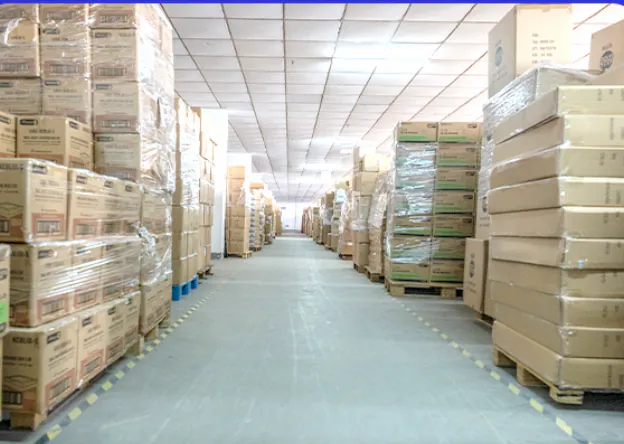
Cups, lids, containers, bags, napkins, cutlery and other foodservice packaging can be planned through one inquiry.
Inner packs, export cartons, carton marks, private-label details and pallet requirements can be customized by order.
EXW, FOB, CIF and DDP options can be discussed. Common ports include Ningbo, Shanghai and Qingdao.
Experience includes orders for the United States, Europe, the Middle East, South America and Australia.
Recent export evidence
Container loading and private-label packing
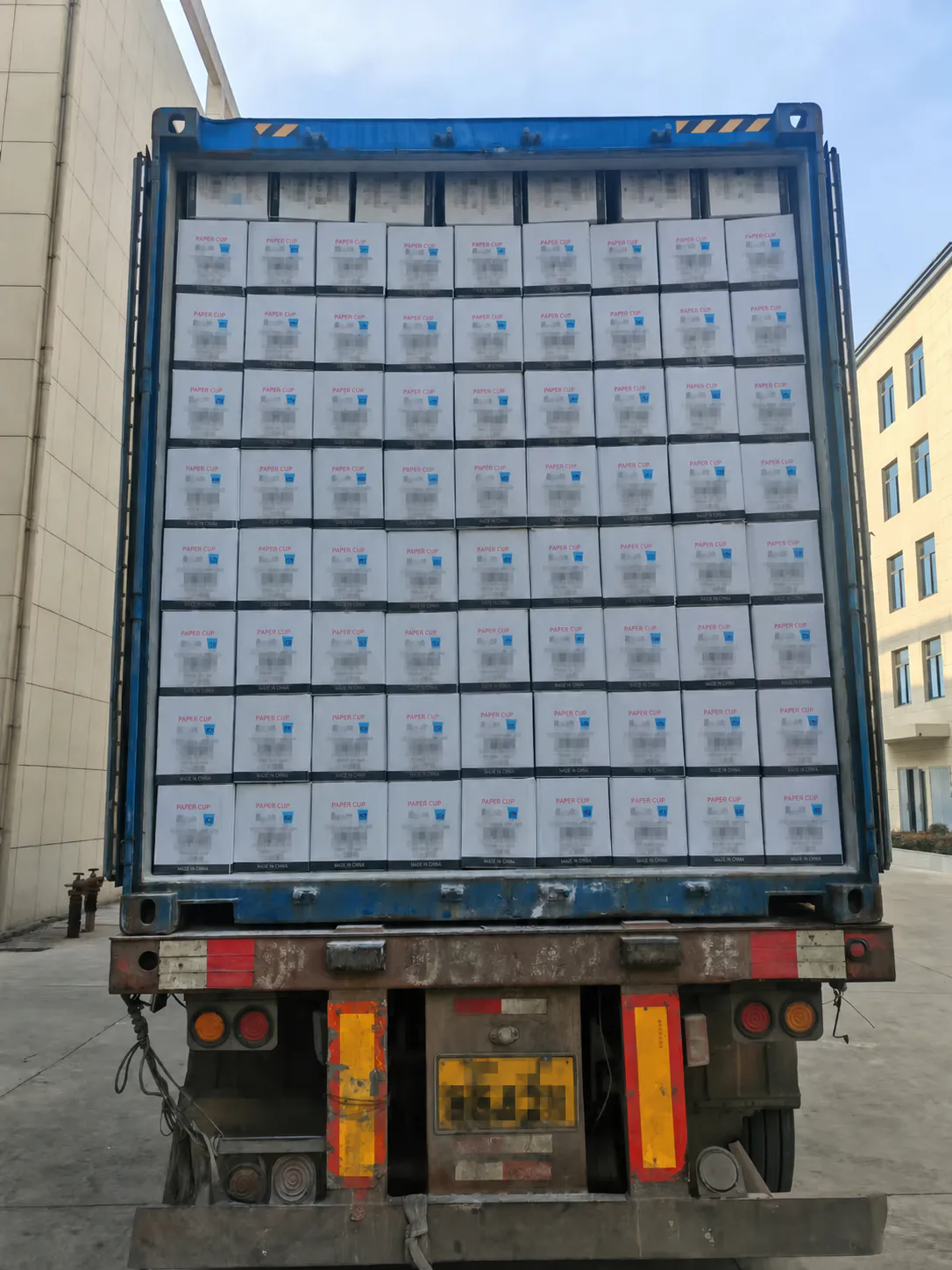
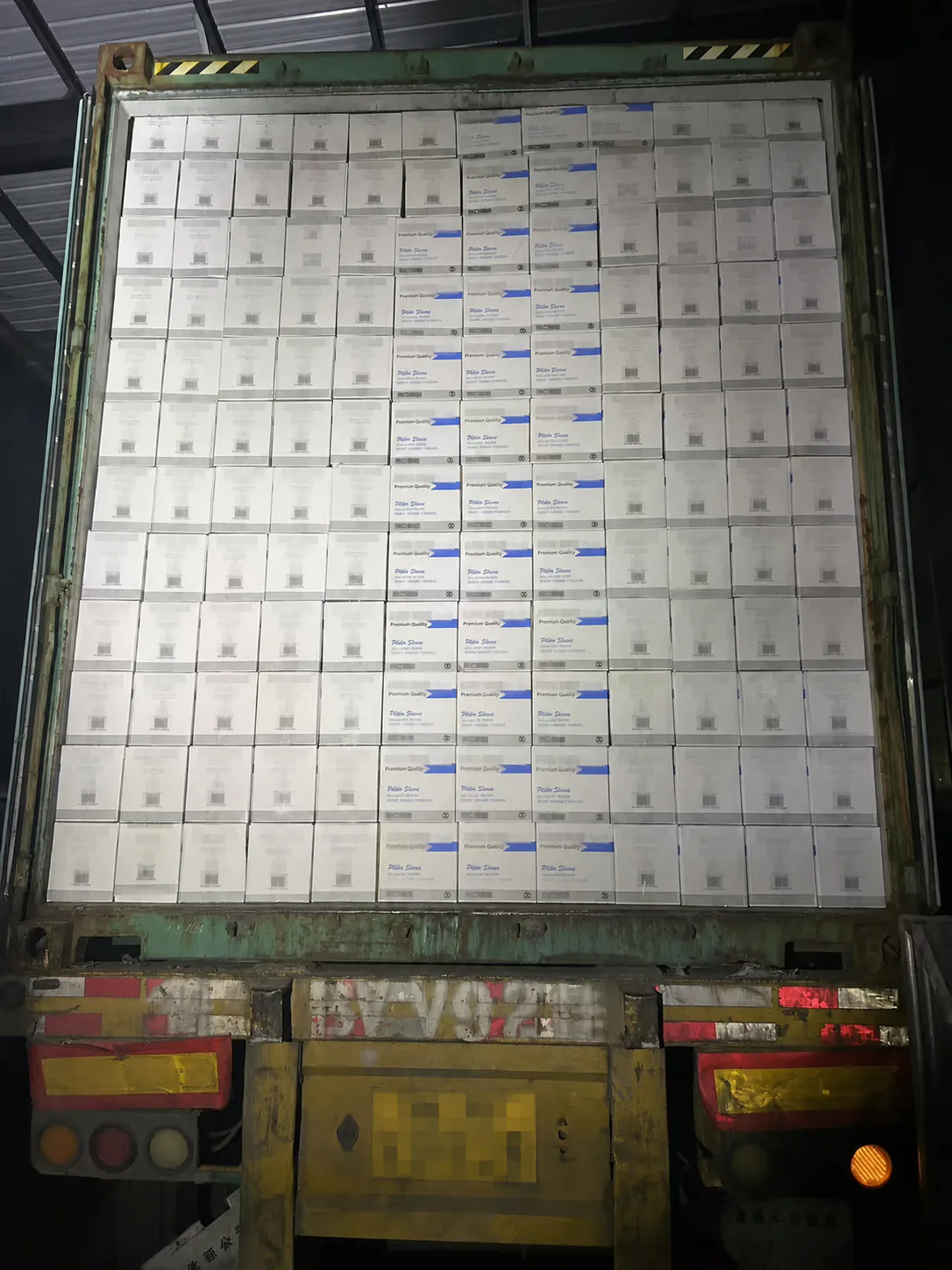
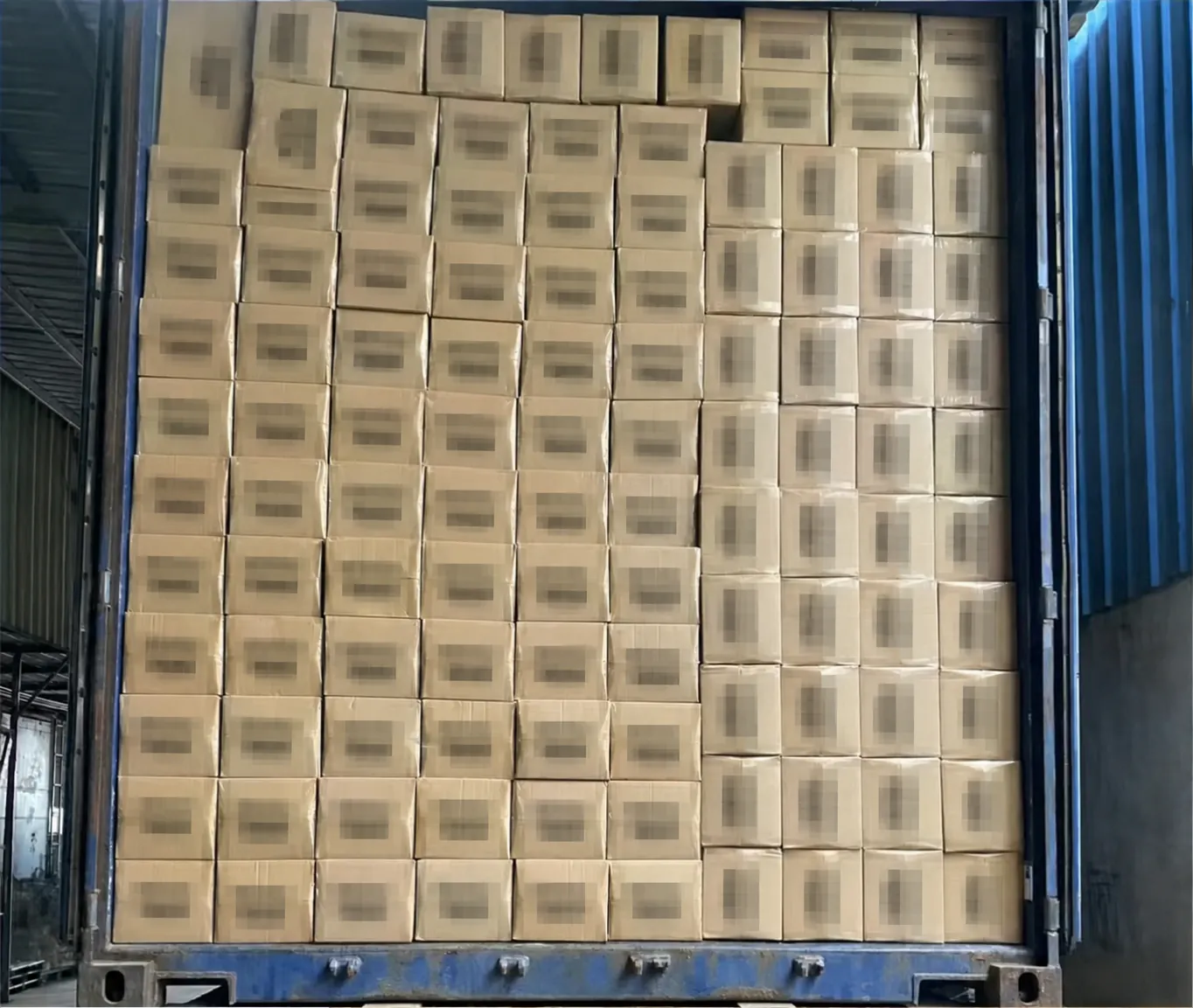
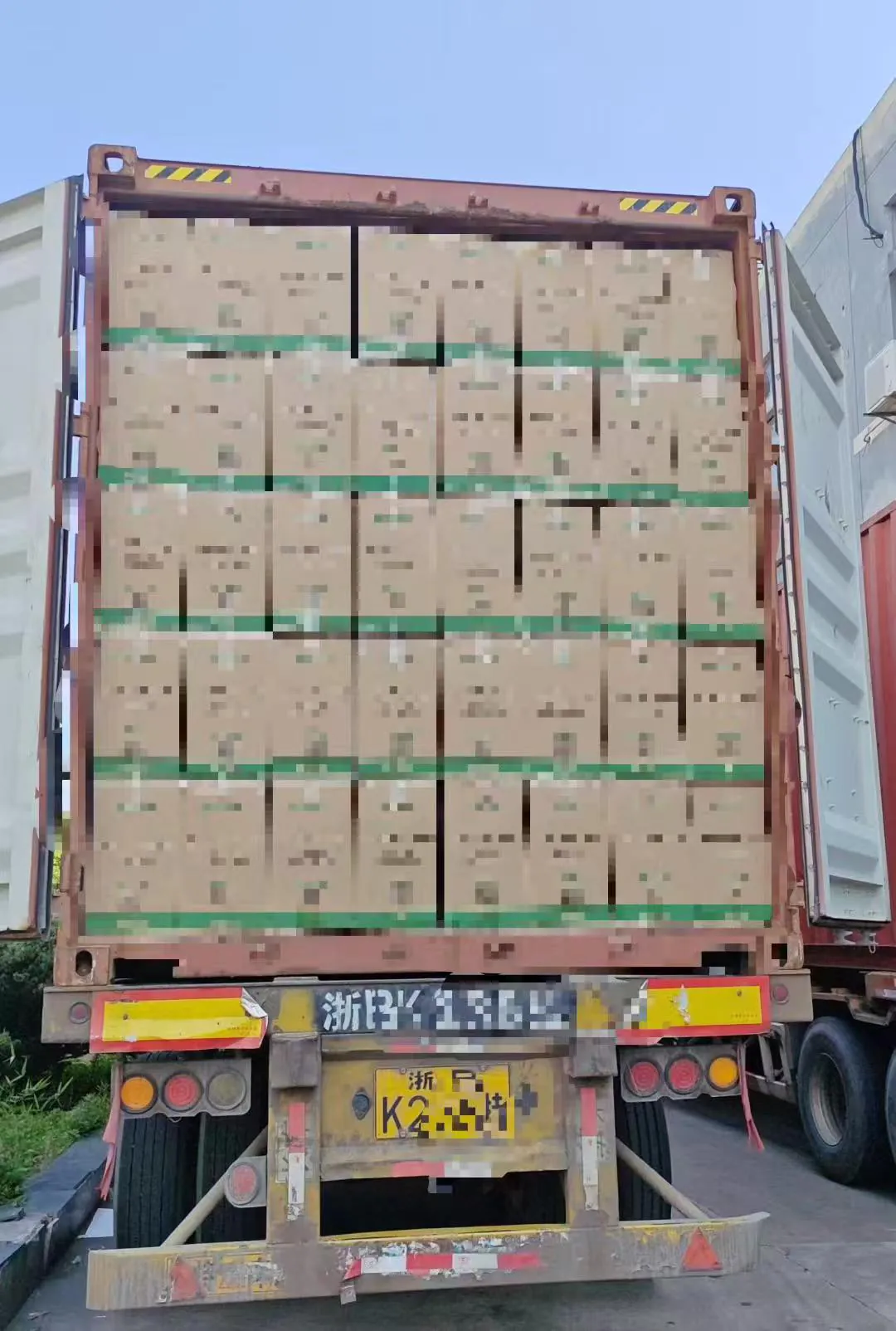
Representative loading photographs show paper cup and foodservice packaging prepared for export. Customer names, carton identifiers, barcodes and vehicle information have been obscured for confidentiality.

Shipment planning
Planning FCL, LCL and mixed-SKU shipments
Food packaging is light but bulky, so freight is planned around carton volume as much as weight. A single-SKU order usually fills cartons of one size and loads efficiently. Mixed programs combine categories such as cups, lids, boxes and bags in one shipment; each SKU keeps its own carton specification, and the loading plan is built from confirmed carton dimensions and gross weights before the vessel is booked.
Best for single programs and large repeat orders. Carton layout and pallet use are planned around the container size and destination handling.
Suitable for trials and mixed ranges. Carton strength and marks matter more, because cartons are handled and consolidated more often.
Palletized loading protects cartons and speeds unloading; loose carton loading fits more volume. The choice is confirmed per order and destination.
Each SKU is packed and marked separately so your warehouse can receive by item. A combined packing list follows the shipment.
Timing and documents
Dispatch timing, ports and export documents
Production and transport are two different clocks. Bulk orders are normally ready for dispatch in 10–30 days, depending on quantity, printing and packing; international transport and customs clearance are additional. Tell us the date the goods must arrive, not only the date you want to order, and the plan can be worked backwards from it.
EXW, FOB, CIF and DDP options can be discussed. Common loading ports are Ningbo, Shanghai and Qingdao.
Commercial invoice, packing list and transport documents follow the shipment; product and compliance documents are confirmed for the exact SKU and destination.
Shipping marks, carton labels and private-label details are confirmed before packing, so cartons arrive ready for your system.
Export experience includes the United States, Europe, the Middle East, South America and Australia.
Loading practice
Container loading in practice
Loading photographs on this page show the standard buyers can expect: cartons stacked to use the container height, private-label marks protected, and carton layout planned around size, SKU mix and shipment method. Because packaging cartons are mostly air, the difference between a planned load and an unplanned one is paid for in freight, which is why carton dimensions and gross weights are confirmed before booking, not measured at the warehouse door.
Pieces per carton, carton dimensions and gross weight are fixed in the order record and used for the loading plan and freight calculation.
Representative loading and packing photographs are available as shown on this page, with customer identifiers obscured for confidentiality.
Pallet or loose loading, and any destination warehouse requirement, are agreed before dispatch so unloading is not a surprise.
Inquiry path
Send one clear request
Share product type, size, quantity, printing needs, destination and target use. Our sales team will reply with practical sourcing options.
FAQ
Export Packing and Shipping Support — frequently asked questions
Shipments are quoted from Ningbo, Shanghai or Qingdao on EXW, FOB, CIF or DDP terms. The quotation states the loading port and incoterm with the price basis, so offers can be compared on the same terms; the destination port and delivery address are confirmed before the order is frozen.
The dispatch window — normally 10–30 days from the confirmed specification, depending on quantity, printing and packing — covers production and export packing only. International transport and customs clearance are quoted and planned separately, so the delivery date is built from both parts rather than from a single blended figure.
From the final packing: carton CBM is carton length × width × height in metres, and cartons per container are the usable volume — about 25–28 CBM for a 20ft, 55–60 CBM for a 40ft and 65–70 CBM for a 40HQ — divided by the carton CBM. Pallets reduce the usable figure and are planned explicitly.
Yes. Mixed containers are planned SKU by SKU, and each SKU or specification must meet its own 10,000-piece minimum inside the load. The loading plan combines compact and bulky items deliberately and is confirmed in the quotation before production, together with the carton data for every item.
Yes, where the destination warehouse requires it. Palletization is agreed at quotation stage because it changes the loading calculation — pallets consume volume and reduce cartons per container — and the pallet type, height and wrapping are recorded in the packing confirmation with the carton marks.
The commercial invoice, packing list and shipping marks are reconciled against the approved order before release, together with the inspection record for the lot. Product and compliance documents for the exact items are arranged during qualification and quotation; the importer or broker confirms the final HS classification and duty treatment.