Procurement evidence record
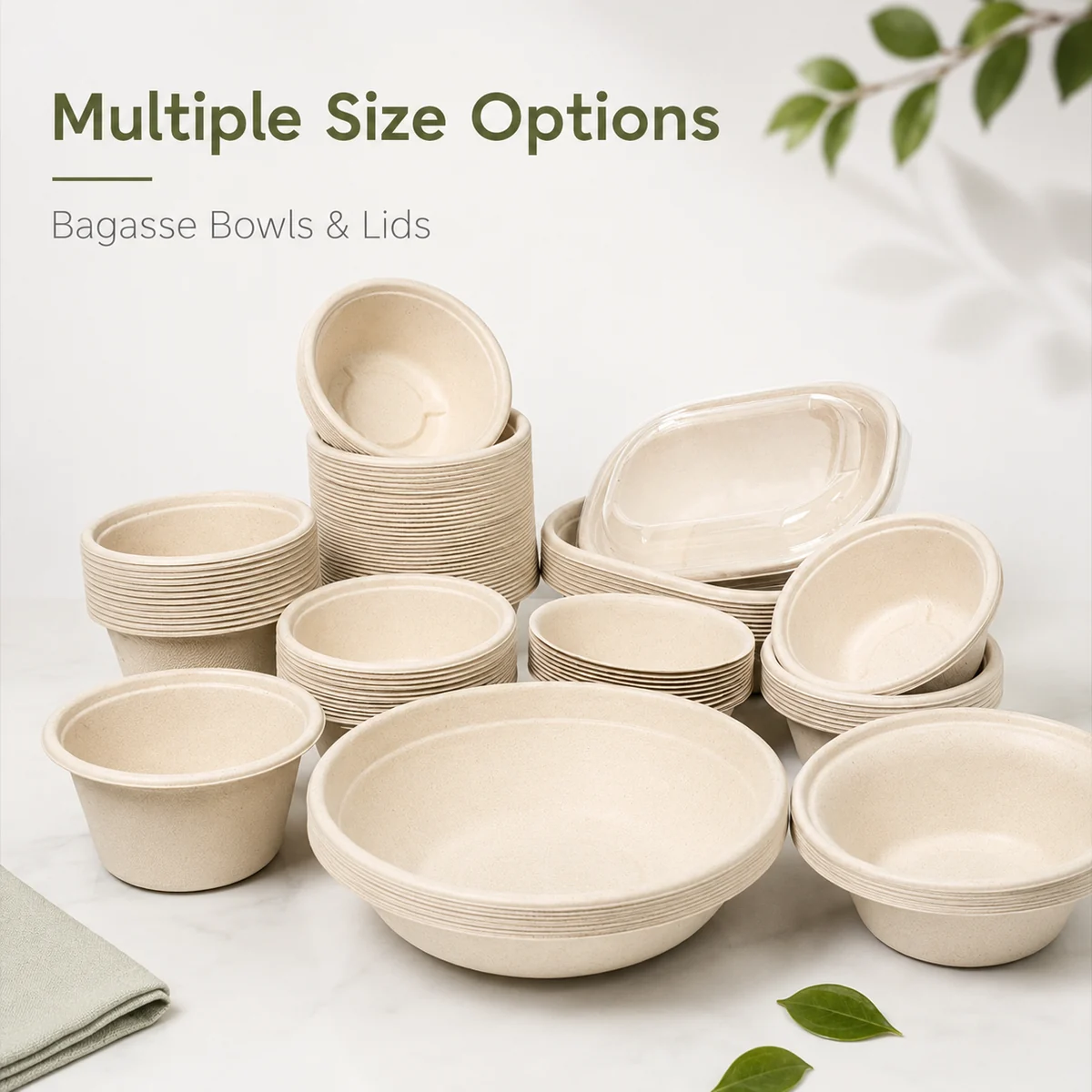
Specification and verification controls for 16 oz Bagasse Bowls
This record turns the published molded-fiber food packaging information into a buyer-checkable purchasing brief. It is maintained by ECONOVAPACK, the international brand of NINGBO EAST PACKAGING TECHNOLOGY CO., LTD. Published values are reference values for quotation and comparison; the approved sample, signed specification, production artwork, packing confirmation and current quotation control the final order.
| Procurement field | Published reference | Order control |
|---|
| Product / SKU | 16 oz Bagasse Bowls
XL9521101275 | Match the item code and revision on the quotation, sample label, order and carton mark. |
| Category / material | Bagasse Food Packaging
Molded sugarcane bagasse fiber | Confirm material composition, food-contact scope and any coating or lining for the destination market. |
| Capacity / dimensions | 16 oz / 473 mL; 175 mm diameter x 37 mm height | Approve the dimensional drawing or measured sample; verify closure, lid and equipment fit where relevant. |
| Construction / unit weight | Molded-fiber bowl; 15 g unit weight
15 g | Record the agreed tolerance and sampling method instead of relying on a descriptive product name alone. |
| MOQ / packing | 1,000 pcs / 1 export carton
Not fixed on this page; confirm in the signed specification and current quotation. | Reconfirm inner quantity, pieces per carton, carton dimensions, gross/net weight and pallet requirement. |
| Customization | Not fixed on this page; confirm in the signed specification and current quotation. | Freeze artwork version, print colors, finish, barcode, warning text and shipping marks before production. |
Application fit and pre-production sample
For 16 oz Bagasse Bowls, describe the actual use case before requesting price: meal temperature, food moisture, grease exposure, portion weight and lid or closure fit. A physical sample should be assessed with the buyer's real food, beverage, lid, filling process, storage time and transport conditions. A sample that only looks correct may still fail operational fit, so record the test method, temperature, duration, fill weight and acceptance result. If a matching lid or closure is involved, approve the combination as one system rather than approving components separately.
Lot inspection and test plan
A practical inspection plan for this family can include dimensional and unit-weight sampling; lid or hinge fit; hot-food hold; moisture and grease resistance; load, stack and compression checks; odor/appearance review; carton count and drop checks. These are recommended verification points, not claims that every listed test has already been performed for every SKU. The purchase specification should identify the applicable test, sample size, tolerance, acceptance criterion and responsible party. Buyers who require third-party testing should name the market, regulation, test standard, laboratory and report-validity requirement before sampling or production begins.
Documents, certificates and customs data
Request documents for the exact material, coating, color, factory and production scope being purchased. A certificate title or logo is not enough evidence by itself: check the issuer, holder, model/material coverage, standard, report number, issue date and validity. HS classification, import duty, anti-dumping measures, labeling and extended-producer-responsibility rules depend on product composition and destination. ECONOVAPACK can supply the commercial description, composition and packing data available for the item; the importer or licensed customs broker should confirm the final HS code and landed-duty treatment.
Customization, quotation and logistics checklist
For a customized order, define natural or bleached appearance, compartment layout, embossing, sleeve or label, inner-bag count and export-carton marks. A comparable quotation should state the SKU, material/construction, dimensions, unit weight or basis weight, MOQ, sample status, tooling or plate charges, print specification, production lead-time basis, incoterm, loading port, carton details and quotation validity. Before balance payment or shipment, reconcile the approved sample and artwork with the inspection report, packing list, commercial invoice and carton marks. Any field shown here as not fixed must be resolved in writing rather than inferred from a similar item.
Recommended RFQ inputSend the product URL, target quantity, destination country, intended food or beverage, operating temperature, required material, capacity/dimensions, lid or closure need, artwork file, packing preference, compliance-document list and target delivery date. This gives sales and quality teams enough information to return a traceable quotation rather than a generic price.