ECONOVAPACK

ECONOVAPACK

Bagasse Clamshell Containers Wholesale

Source single and compartment bagasse clamshells for takeaway, delivery, burgers and prepared meals.
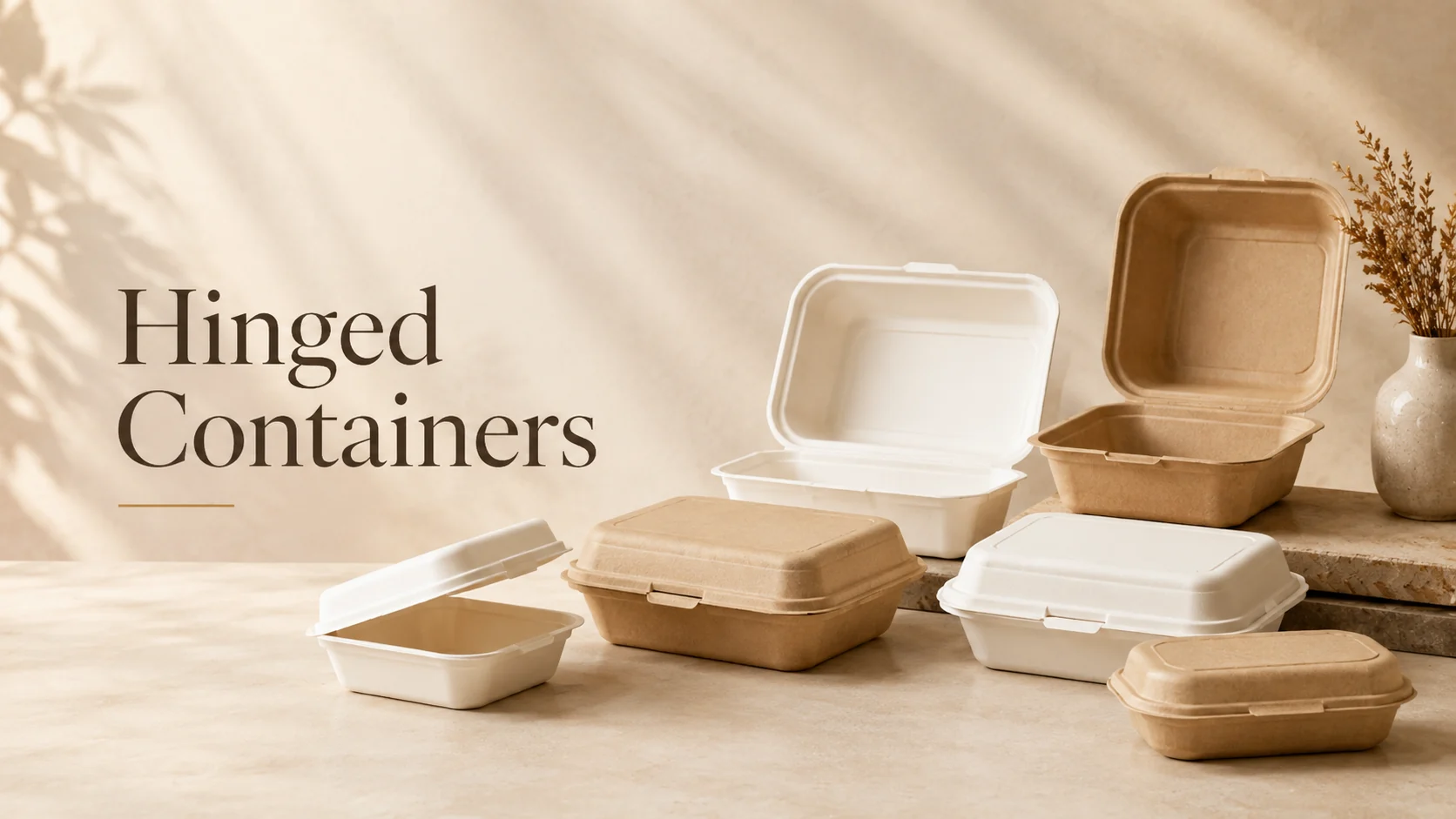
Food packaging supplierWholesale sourcingCustom printExport packing
Bagasse Clamshell Containers Wholesale
Best-fit products

Clamshell and hinged containers for hot meals, takeaway, catering and delivery.

Quote requirements

Send the required size, estimated quantity, destination, custom printing and target use.

Before ordering

Confirm samples, final specification, carton packing, lead time and destination-market documentation.

Inquiry path

Send one clear request

Share product type, size, quantity, printing needs, destination and target use. Our sales team will reply with practical sourcing options.

Request QuoteEmail

Packaging solution brief · evidence update 2026-09-05

Buyer decision record for Bagasse Clamshell Containers Wholesale

The purpose of this solution brief is to define when Bagasse Clamshell Containers Wholesale is suitable and what evidence is needed before purchase. A solution is only comparable when competing quotations use the same material, dimensions, construction, pack count, printing scope, incoterm and destination assumptions.

1. Define the application and acceptance criteria

Start with the operational problem rather than a product photograph. State what is being packed, capacity or dimensions, temperature, holding time, leakage or load risk, closure requirement, presentation standard, monthly volume, destination and delivery deadline. Flag which fields are mandatory and which may change after sampling.

Build the quotation sheet around these controlled fields: molded-fiber composition, meal fit, moisture and grease exposure, lid/hinge function, unit weight, nestability and carton compression. For every numeric field, include the unit and tolerance. For every option, state whether it is required, preferred or open to supplier recommendation. Identify the approved-sample reference and revision date so production, inspection and future reorders point to the same baseline.

2. Compare quotations on the same basis

A complete comparison separates product price from tooling or plate charges, sample and courier cost, inner/outer packing, palletization, testing, inspection, freight and destination charges. Record MOQ per SKU or artwork, pieces per inner pack and carton, carton dimensions, gross/net weight, production lead-time basis, incoterm, loading port, quotation currency and validity. For mixed-SKU loading, each SKU/specification must separately meet the 10,000 pcs MOQ; confirm the price and loading plan.

3. Approve material, artwork and sample

The signed specification should name the material and construction rather than relying on labels such as “eco,” “food grade” or “premium.” Confirm any coating, lining, recycled-content claim, color, surface finish and closure combination. Private-label work also needs an artwork filename and revision, print method, color reference, printable area, barcode check, warning or recycling text, carton mark and approval owner. Test the physical sample with the buyer's own product and operating conditions.

4. Build a proportionate verification plan

Typical verification points for this topic include hot-food hold, grease resistance, closure fit, stack/load and carton-drop verification. The order should state which checks apply, the method, sample size, tolerance and acceptance criterion. Do not treat this checklist as a claim that every test has been completed for every SKU. Where independent laboratory or inspection evidence is required, define the standard, market, material/SKU scope, issuing body, report date and validity before production.

5. Verify compliance and customs scope

Ask for documents that match the exact material, coating, color, factory and intended use. Check the certificate or report holder, standard, model coverage, report number, issue date and validity; a logo or generic certificate title is insufficient. Import classification, duties, anti-dumping measures, labeling, recycled-content rules and producer-responsibility obligations vary by destination. The supplier can provide composition and packing details, while the importer or customs broker should confirm the final HS code and landed-duty treatment.

6. Close the evidence loop before shipment

Before mass production, freeze the quotation, signed specification, sample, artwork and packing instructions. During production and pre-shipment inspection, record lot identity and results against those documents. Before release, reconcile the inspection report with carton count, packing list, invoice and shipping marks. Keep approved records for repeat orders and log every requested change; this makes later price, quality and lead-time discussions traceable.

What to send for a useful reply

Reference this buyer decision page, then provide the target item, material, size/capacity, quantity, destination country, application conditions, customization files, packing preference, document/test list and required delivery date. ECONOVAPACK will use the request as a quotation brief; any missing or variable field should be resolved in the approved sample and signed order documents.

Selection guide

Specifying bagasse clamshell containers for a wholesale order

Bagasse clamshell containers are bought by size and by job, not by photograph. The working sizes are the 6-inch burger box, the 8-inch and 9-inch single-compartment boxes and the 9-by-6 two-compartment format; each maps to a different menu item, portion weight and stacking pattern in the delivery bag. Start the specification from the food: a dry burger tolerates a standard wall, while sauced or oily dishes need the grease hold of the exact item tested at serving temperature for the real holding time.

Three checks decide most complaints. First, hinge and latch behaviour after filling — the lid must close on a loaded box and stay closed in a stacked bag. Second, rigidity when the box is lifted by one corner with a full portion inside. Third, compartment geometry: a two-compartment box only earns its place when the divider actually separates a wet item from a dry one. All three are sample checks with your own menu, recorded with fill weight, temperature and holding time.

Unit weight is the field buyers most often under-specify. Listings for the same nominal 9-inch clamshell range widely in grams because wall thickness and forming differ, so the quotation states the unit weight and tolerance of the exact item, not a size name alone. Carton counts typically run from 200 pieces for larger boxes to 500 for the 6-inch format, and loading is calculated from the final carton dimensions.

Specify first

Size and compartment layout, unit weight with tolerance, natural or bleached appearance, grease exposure, holding time and serving temperature — in that order, before price is discussed.

Packing and loading

Carton CBM is carton length × width × height in metres; planning volumes are about 25–28 CBM (20ft) and 65–70 CBM (40HQ) usable. Each SKU in a mixed container meets its own 10,000 pcs minimum.

Claims and documents

Compostable wording follows the exact finished product under EN 13432 or ASTM D6400/D6868 with third-party certification; status is confirmed per SKU and destination, and documents are reviewed confidentially at quotation stage.

FAQ

Bagasse Clamshell Containers Wholesale — frequently asked questions

What is the MOQ for wholesale bagasse clamshell containers?

The minimum is 10,000 pcs per SKU/specification, and sizes or compartment layouts cannot be combined to reach it. A mixed container is still possible: each clamshell SKU in the load simply has to meet its own 10,000-piece minimum, and sample quantities are handled separately from the bulk MOQ.

Which clamshell size should I choose for burgers and full meals?

Use the 6-inch format for burgers and snacks, the 8-inch for single portions and the 9-inch or 9-by-6 two-compartment box for full meals with sides. Confirm with a filled sample: portion weight, divider height and lid clearance decide the fit more reliably than the nominal inch size printed in a catalogue.

How do I check grease resistance before ordering?

Fill production samples with your oiliest menu item at serving temperature and hold them for your real delivery time, then check the base for softening and show-through. Grease performance depends on the item's treatment route, so record the food, temperature, holding time and result in the approved specification instead of relying on a generic claim.

Can bagasse clamshells be described as compostable?

Only where the exact finished product — formulation, treatment and inks — is covered by third-party certification to EN 13432 or ASTM D6400/D6868 for your market. Ask for the certificate number and match the product name on it to the SKU. Claims are confirmed per SKU and destination before the wording is used.

Are samples available before a bulk order?

Yes. Available standard samples are free of charge; the buyer covers the international courier cost by DHL, FedEx or UPS account or prepaid freight. Send the target size, food type and destination, and test the samples with your actual menu, stacking pattern and holding time before approving the specification.

What is the lead time for a clamshell container order?

Production is normally ready for dispatch in 10–30 days depending on quantity, printing and packing, confirmed for the selected specification before ordering. International transport and customs clearance are additional, and shipments can be quoted EXW, FOB, CIF or DDP from Ningbo, Shanghai or Qingdao.

Can clamshells carry our own branding?

Yes. Lid or body embossing, printed paper sleeves, labelled shrink wrap and private-label carton marks are the usual routes. Share vector artwork, approve a custom sample — a sample or setup charge may apply and is quoted in advance — and freeze the artwork version in the written specification before production.

WhatsAppEmailQuote