ECONOVAPACK

ECONOVAPACK

Custom Food Packaging Supplier in China

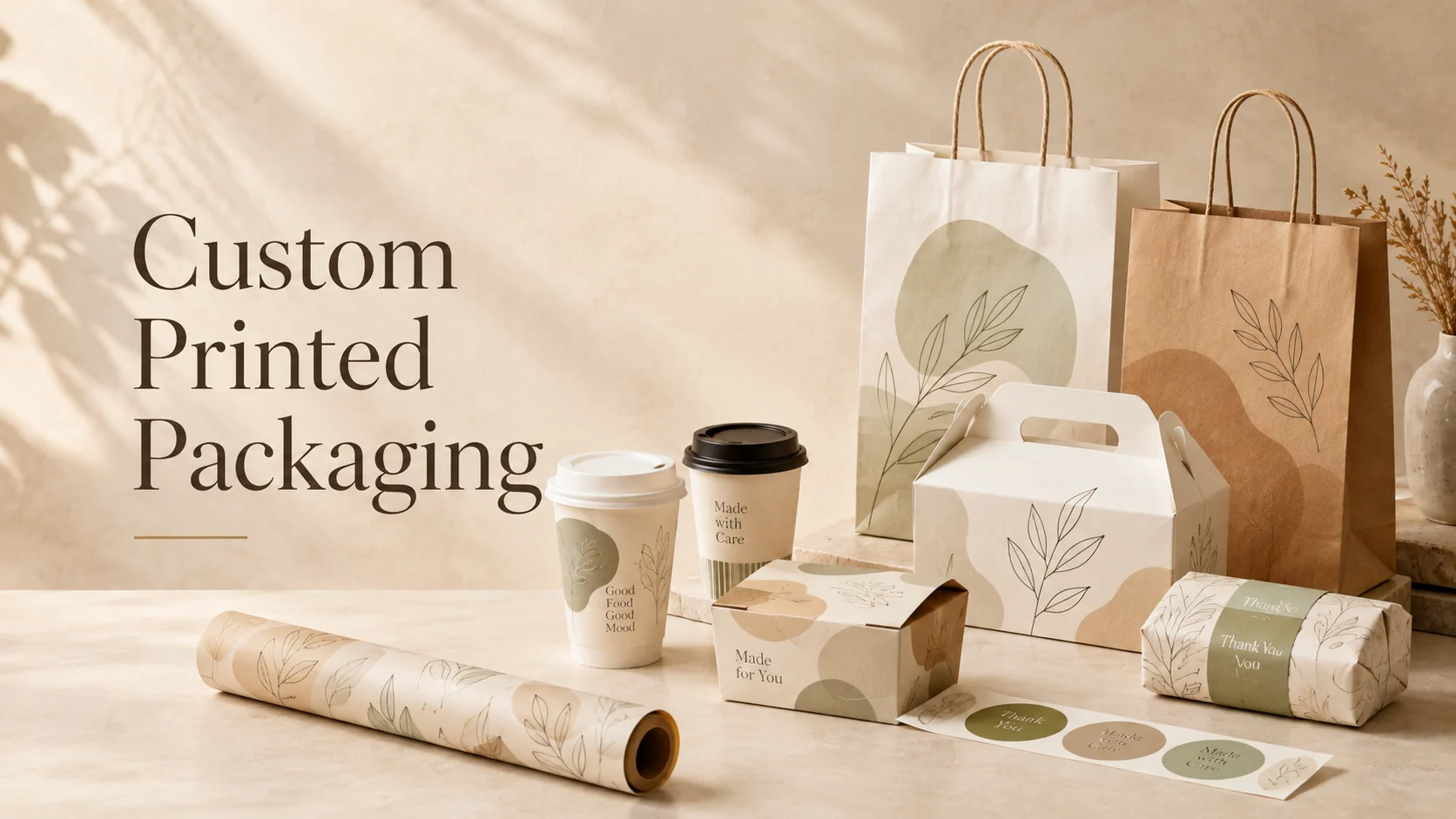
Coordinate printed bags, cups, boxes, wraps and labels for private-label and chain foodservice programs.
Food packaging supplierWholesale sourcingCustom printExport packing
Custom Food Packaging Supplier in China
Best-fit products

Logo printed paper bags, cups, boxes, wraps and sleeves for food brands and distributors.

Quote requirements

Send the required size, estimated quantity, destination, custom printing and target use.

Before ordering

Confirm samples, final specification, carton packing, lead time and destination-market documentation.

Inquiry path

Send one clear request

Share product type, size, quantity, printing needs, destination and target use. Our sales team will reply with practical sourcing options.

Request QuoteEmail

Packaging solution brief · evidence update 2026-09-05

Buyer decision record for Custom Food Packaging Supplier in China

The purpose of this solution brief is to define when Custom Food Packaging Supplier in China is suitable and what evidence is needed before purchase. A solution is only comparable when competing quotations use the same material, dimensions, construction, pack count, printing scope, incoterm and destination assumptions.

1. Define the application and acceptance criteria

Start with the operational problem rather than a product photograph. State what is being packed, capacity or dimensions, temperature, holding time, leakage or load risk, closure requirement, presentation standard, monthly volume, destination and delivery deadline. Flag which fields are mandatory and which may change after sampling.

Build the quotation sheet around these controlled fields: material, dimensions/capacity, unit weight or construction, application conditions, customization, MOQ, packing and destination-market requirements. For every numeric field, include the unit and tolerance. For every option, state whether it is required, preferred or open to supplier recommendation. Identify the approved-sample reference and revision date so production, inspection and future reorders point to the same baseline.

2. Compare quotations on the same basis

A complete comparison separates product price from tooling or plate charges, sample and courier cost, inner/outer packing, palletization, testing, inspection, freight and destination charges. Record MOQ per SKU or artwork, pieces per inner pack and carton, carton dimensions, gross/net weight, production lead-time basis, incoterm, loading port, quotation currency and validity. For mixed-SKU loading, each SKU/specification must separately meet the 10,000 pcs MOQ; confirm the price and loading plan.

3. Approve material, artwork and sample

The signed specification should name the material and construction rather than relying on labels such as “eco,” “food grade” or “premium.” Confirm any coating, lining, recycled-content claim, color, surface finish and closure combination. Private-label work also needs an artwork filename and revision, print method, color reference, printable area, barcode check, warning or recycling text, carton mark and approval owner. Test the physical sample with the buyer's own product and operating conditions.

4. Build a proportionate verification plan

Typical verification points for this topic include dimensions, material/construction, application fit, appearance, pack count, compression and shipment verification. The order should state which checks apply, the method, sample size, tolerance and acceptance criterion. Do not treat this checklist as a claim that every test has been completed for every SKU. Where independent laboratory or inspection evidence is required, define the standard, market, material/SKU scope, issuing body, report date and validity before production.

5. Verify compliance and customs scope

Ask for documents that match the exact material, coating, color, factory and intended use. Check the certificate or report holder, standard, model coverage, report number, issue date and validity; a logo or generic certificate title is insufficient. Import classification, duties, anti-dumping measures, labeling, recycled-content rules and producer-responsibility obligations vary by destination. The supplier can provide composition and packing details, while the importer or customs broker should confirm the final HS code and landed-duty treatment.

6. Close the evidence loop before shipment

Before mass production, freeze the quotation, signed specification, sample, artwork and packing instructions. During production and pre-shipment inspection, record lot identity and results against those documents. Before release, reconcile the inspection report with carton count, packing list, invoice and shipping marks. Keep approved records for repeat orders and log every requested change; this makes later price, quality and lead-time discussions traceable.

What to send for a useful reply

Reference this buyer decision page, then provide the target item, material, size/capacity, quantity, destination country, application conditions, customization files, packing preference, document/test list and required delivery date. ECONOVAPACK will use the request as a quotation brief; any missing or variable field should be resolved in the approved sample and signed order documents.

Selection guide

How a custom food packaging order is specified and approved

Custom food packaging succeeds or fails on the specification, not on the artwork file alone. Every custom run on this page's range — printed paper cups, kraft boxes, paper bags, PET cups and bagasse items — is controlled by the same sequence: select the base item and size, confirm the material construction, define the print, approve a physical sample, then freeze the written specification. Skipping the physical sample is the most common cause of color, fit and lid problems arriving with the bulk order.

Print definition needs five fields before a quotation is meaningful: printable area of the exact item, number of colors and any Pantone references, print method suited to the substrate, position of legal or warning text for the destination, and barcode or recycling marks your market requires. Paper, PET and molded fiber all take print differently — a design that works on a paper cup does not transfer unchanged to a bagasse lid — so each substrate gets its own proof and sample.

Custom work follows the standard minimum of 10,000 pcs per SKU/specification unless a different minimum is confirmed in the written quotation for the specific item; custom-printed samples may carry a sample or setup charge, quoted in advance; and the production clock of 10–30 days starts from the frozen specification and approved sample, not from the first enquiry.

Artwork handover

Vector artwork, color references, printable area per item, barcode and destination warning text — supplied once, versioned, and referenced by filename in the order documents.

Approval chain

Digital proof, then a physical custom sample approved against your real product and lighting, then the frozen specification that production, inspection and reorders all point back to.

What to confirm in writing

Item and size, material and lining, print specification, MOQ per SKU, sample and setup charges, packing and carton marks, dispatch window and incoterm — before any balance payment.

FAQ

Custom Food Packaging Supplier in China — frequently asked questions

What is the minimum order for custom food packaging?

The standard minimum is 10,000 pcs per SKU/specification, and different SKUs or artworks cannot be combined to reach it. If a specific item or print route can run at a different minimum, that figure is confirmed in the written quotation for that item rather than assumed from another product.

What artwork format do you need for custom printing?

Send vector artwork — AI, PDF or EPS — with fonts outlined, plus color references for any brand-critical colors. We confirm the printable area, color count and suitable print process for the exact item, prepare a proof, and reference the approved artwork filename and revision in the order specification.

Can I approve a printed sample before bulk production?

Yes, and for custom work it is the recommended route. A custom-printed sample is produced from your approved artwork so color, registration and fit are checked on the real item. Custom samples may carry a sample or setup charge; the amount is quoted in advance, before the sample is made.

How long does a custom packaging order take?

From the frozen specification and approved sample, production is normally ready for dispatch in 10–30 days depending on quantity, print complexity and packing. The custom sample stage itself is planned at roughly 7–15 days. International transport and customs clearance come on top of the dispatch window.

Which products can be customized?

The regular custom routes are printed paper cups and soup cups, kraft takeaway boxes and trays, paper shopping and SOS bags, printed PET cold cups, and embossing or sleeves on bagasse tableware. The available combination is confirmed per item, because print area and tooling differ between substrates and sizes.

Can different designs share one order?

Each design is a separate artwork and specification, and each SKU/specification must meet its own 10,000-piece minimum. Designs can travel in the same container and the loading plan is built SKU by SKU, but minimums, proofs and printed samples are handled per design, not pooled across the order.

What should I check on the proof before approving?

Check color against your reference under daylight, text legibility at final size, barcode scanability, the position of legal and recycling text for your market, and how the design wraps seams or handles. Approve the physical sample rather than only the screen proof, and keep the approved sample as the reorder reference.

WhatsAppEmailQuote