Cups, lids and beverage packaging
Compare sizes, rim compatibility, coatings, printing and wholesale supply routes.
Cup and lid guideCold drink cup sourcingBrowse cups and lidsFood packaging knowledge hub
Specification-first guidance for distributors, restaurants, coffee brands and private label buyers comparing food packaging suppliers, custom printing, MOQ, samples, documentation and export shipping.
Explore by buying task
Start with the decision you need to make, then move from guidance to products, supplier evidence and an item-specific RFQ.
Compare sizes, rim compatibility, coatings, printing and wholesale supply routes.
Cup and lid guideCold drink cup sourcingBrowse cups and lidsPlan material, capacity, lids, leak requirements, food temperature and export packing.
Container sourcing guideKraft box buying guideBrowse containersCompare bagasse formats and evaluate packaging materials around the intended food use.
Bagasse clamshell guideMaterial selection guideBrowse bagasse packagingPrepare artwork, understand production minimums and organize a private-label sourcing request.
MOQ buyer guidePrivate-label guideCustom packaging optionsReview factory evidence, specification control and product-specific document applicability.
Supplier selection checklistDocument review checklistFactory capabilityPlan samples, courier charges, carton data, pallets, marks and import requirements.
Sample expectationsExport shipping checklistSend an RFQProcurement insight · evidence update 2026-09-05
Use this expanded procurement note to apply Answers for wholesale packaging buyers to an actual sourcing decision. It is written for importers, distributors and foodservice buyers who need comparable quotations and checkable evidence. It does not replace the approved sample, signed specification, destination-market review or current commercial quotation.
Before contacting a supplier, define the real application: food or beverage, fill and serving temperature, portion or load, contact time, storage, delivery handling, closure compatibility, expected order quantity and destination. This prevents a low unit price from being compared against a materially different construction, pack count or service scope.
Build the quotation sheet around these controlled fields: material, dimensions/capacity, unit weight or construction, application conditions, customization, MOQ, packing and destination-market requirements. For every numeric field, include the unit and tolerance. For every option, state whether it is required, preferred or open to supplier recommendation. Identify the approved-sample reference and revision date so production, inspection and future reorders point to the same baseline.
A complete comparison separates product price from tooling or plate charges, sample and courier cost, inner/outer packing, palletization, testing, inspection, freight and destination charges. Record MOQ per SKU or artwork, pieces per inner pack and carton, carton dimensions, gross/net weight, production lead-time basis, incoterm, loading port, quotation currency and validity. If mixed-SKU loading is required, ask whether the stated MOQ and price still apply.
The signed specification should name the material and construction rather than relying on labels such as “eco,” “food grade” or “premium.” Confirm any coating, lining, recycled-content claim, color, surface finish and closure combination. Private-label work also needs an artwork filename and revision, print method, color reference, printable area, barcode check, warning or recycling text, carton mark and approval owner. Test the physical sample with the buyer's own product and operating conditions.
Typical verification points for this topic include dimensions, material/construction, application fit, appearance, pack count, compression and shipment verification. The order should state which checks apply, the method, sample size, tolerance and acceptance criterion. Do not treat this checklist as a claim that every test has been completed for every SKU. Where independent laboratory or inspection evidence is required, define the standard, market, material/SKU scope, issuing body, report date and validity before production.
Ask for documents that match the exact material, coating, color, factory and intended use. Check the certificate or report holder, standard, model coverage, report number, issue date and validity; a logo or generic certificate title is insufficient. Import classification, duties, anti-dumping measures, labeling, recycled-content rules and producer-responsibility obligations vary by destination. The supplier can provide composition and packing details, while the importer or customs broker should confirm the final HS code and landed-duty treatment.
Before mass production, freeze the quotation, signed specification, sample, artwork and packing instructions. During production and pre-shipment inspection, record lot identity and results against those documents. Before release, reconcile the inspection report with carton count, packing list, invoice and shipping marks. Keep approved records for repeat orders and log every requested change; this makes later price, quality and lead-time discussions traceable.
Reference this buyer decision page, then provide the target item, material, size/capacity, quantity, destination country, application conditions, customization files, packing preference, document/test list and required delivery date. ECONOVAPACK will use the request as a quotation brief; any missing or variable field should be resolved in the approved sample and signed order documents.
Featured buyer insights
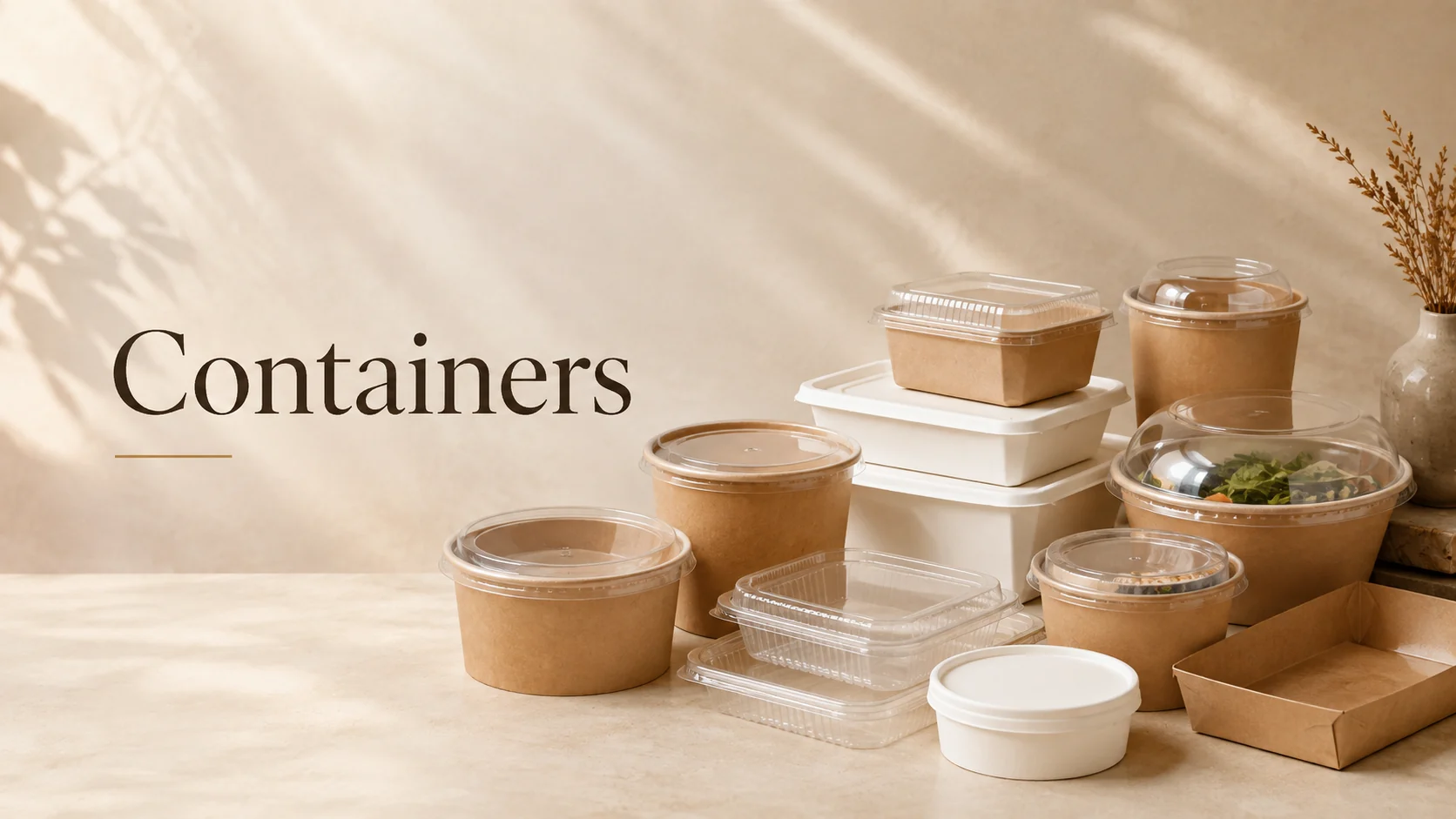
A practical B2B checklist for comparing Chinese food packaging suppliers by specification control, MOQ, samples, compliance documents, quality checks and export packing.
Read buyer guide →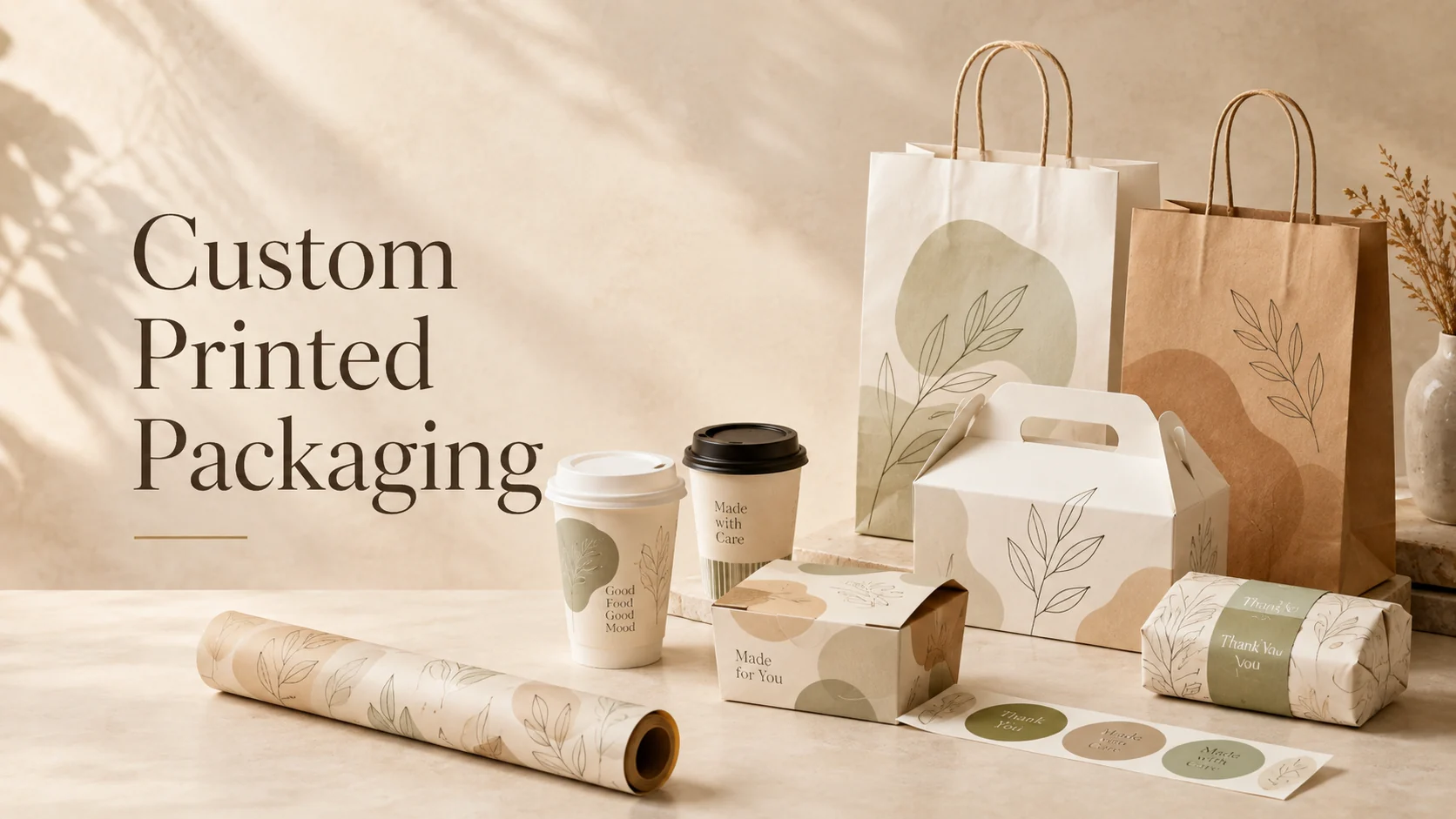
Understand custom food packaging MOQ for paper cups, bags, boxes, bowls and takeaway containers, including practical ways to reduce a first order quantity.
Read buyer guide →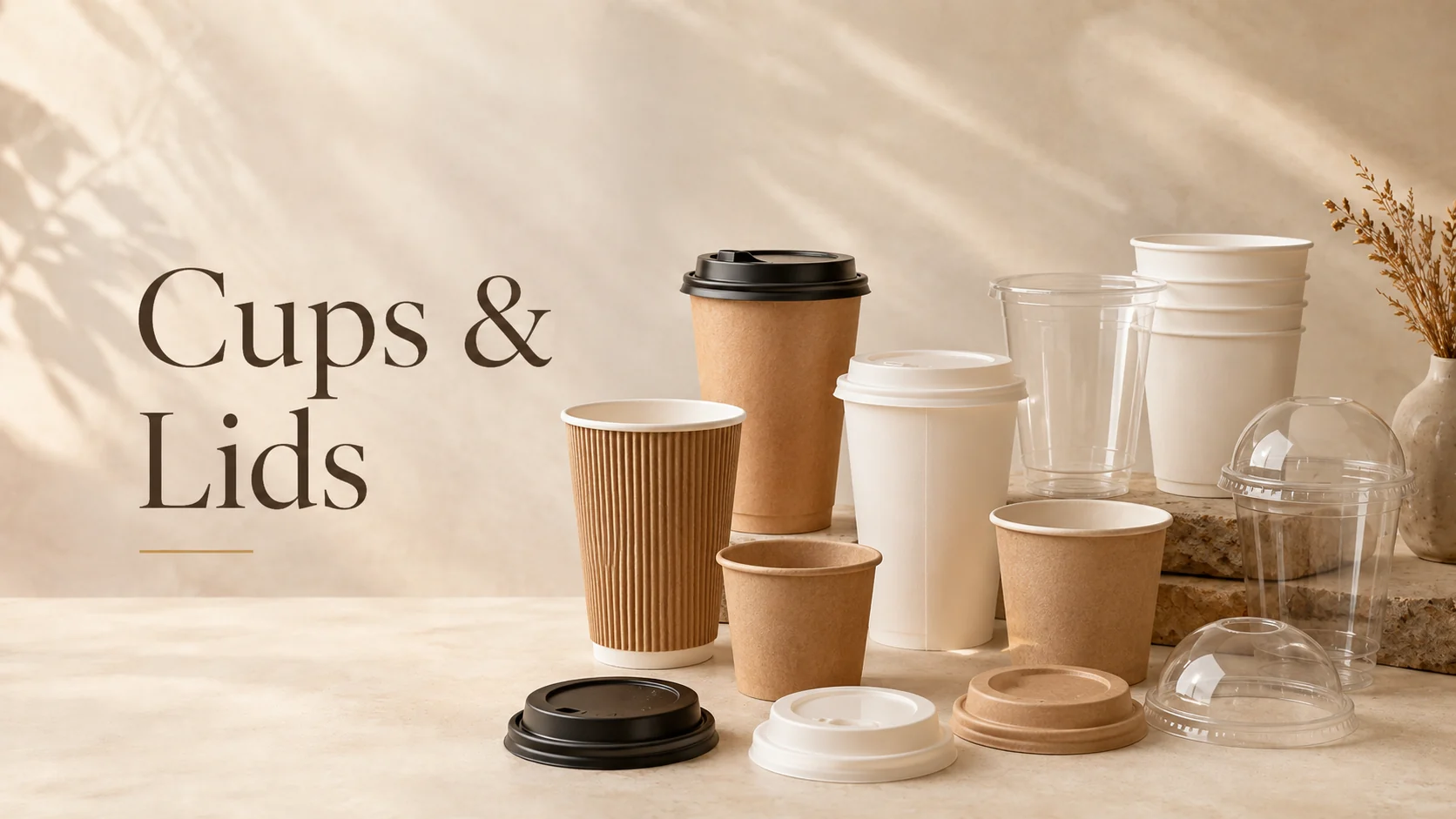
Learn what free food packaging samples include, who pays courier charges, what custom samples cost and how to evaluate samples before a bulk order.
Read buyer guide →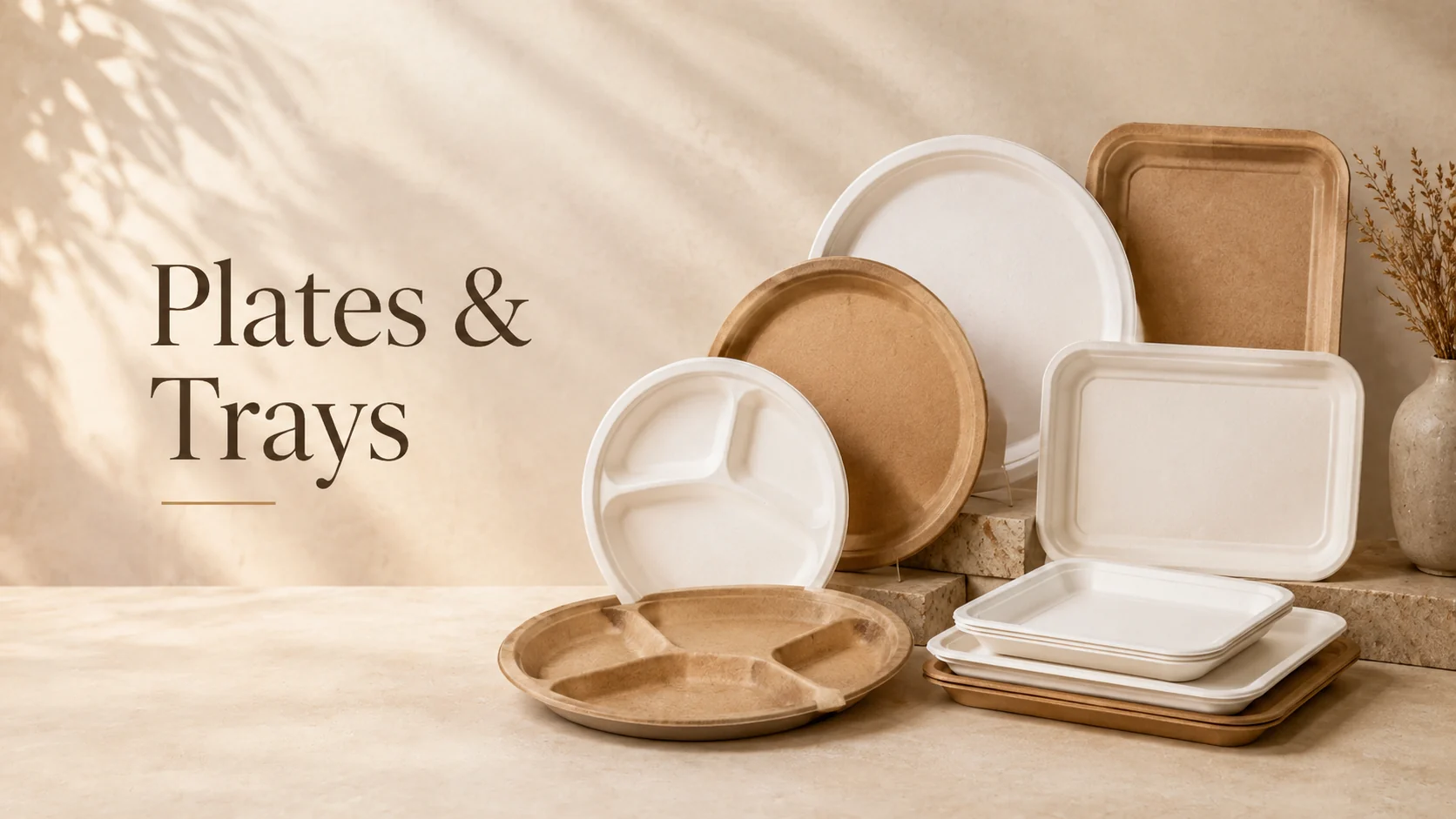
A buyer-focused explanation of how to review BRCGS, FDA-related and FSC documents for food packaging without assuming one certificate covers every product.
Read buyer guide →Compare wholesale paper cup sizes, wall construction, rim diameter, coatings, lid compatibility, printing and carton requirements for coffee and cold drinks.
Read buyer guide →
Plan export cartons, palletization, shipping marks, Incoterms, container utilization and documents when importing wholesale food packaging from China.
Read buyer guide →Source-backed buyer data
Move from general guidance to exact SKU, capacity, rim, packing and MOQ fields.
Compare 90 mm, 98 mm and other published rim families.
Read guide →Compare the published cold-cup and sauce-cup ranges.
Read comparison →Separate sample, development, bulk and carton quantities.
Open MOQ data →